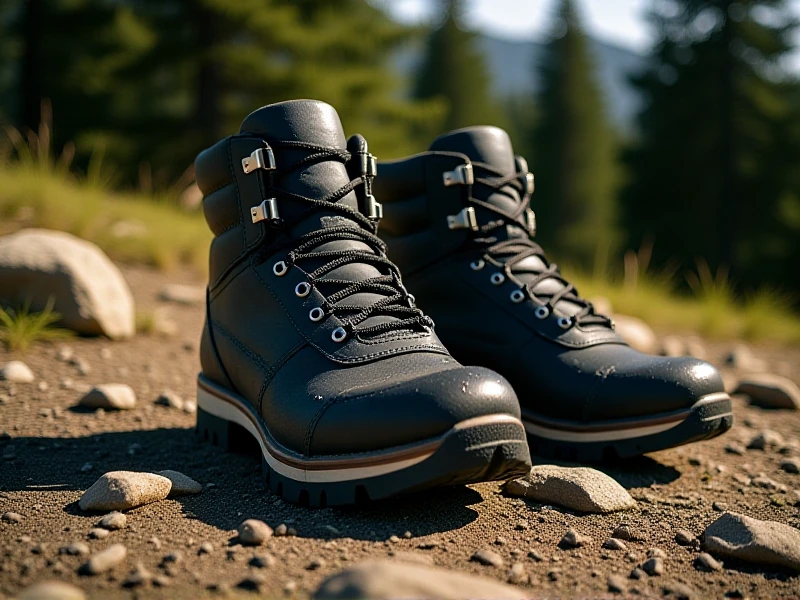
The Ultimate Guide to Choosing Durable Hiking Boots
Getting hiking boots right transforms your outdoor adventures. Ill-fitting or low-quality footwear leads to blisters, ankle rolls, and miserable trails. This guide cuts through the confusion to help you find perfect hiking boots – because epic trails deserve reliable companions.
Types of Hiking Boots Explained
Trail shoes offer lightweight flexibility for groomed paths. Mid-cut hiking boots provide essential ankle support on rocky terrain, while rugged mountaineering boots handle alpine climbs. Waterproof membranes like Gore-Tex shield feet in wet conditions, while breathable mesh excels in arid climates. Always match boot class to your terrain intensity.
Non-Negotiable Buying Factors
Fit reigns supreme. Test boots in-store with hiking socks: toes shouldn’t jam downhill, heels mustn’t slip, and width should accommodate swelling after miles. Prioritize Vibram soles for slip-resistant traction and cushioned midsoles to absorb impact. Remember: quality leather boots need breaking in but last a decade; synthetic models offer immediate comfort but wear faster.
Smart Maintenance Matters
Preserve your investment by cleaning mud after hikes with a soft brush. Apply leather conditioner or waterproof spray quarterly. Replace worn-out insoles before inner padding collapses. Air-dry boots away from direct heat to avoid cracking. Well-maintained hiking footwear saves money and prevents trail disasters.
Choose hiking boots mindfully – they’re the foundation connecting you to wilderness wonders. Analyze terrain, test fits rigorously, and care for them consistently. Your future self will thank you on mile twenty.( 397)