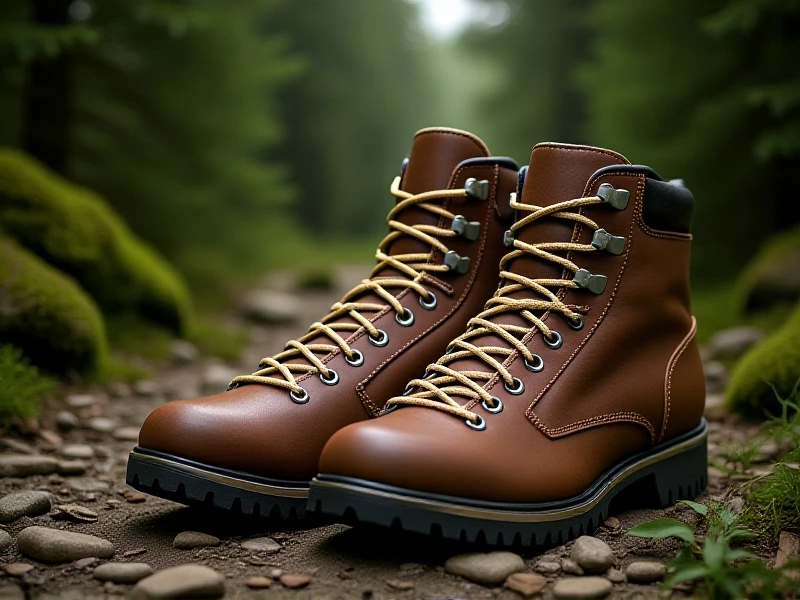
Guide to Choosing and Caring for the Best Hiking Boots
Okay, here is an SEO-optimized article targeting "Hiking Boots", written to sound natural and engaging for a website audience:
The right pair of hiking boots is the foundation of every great outdoor adventure. They protect your feet, provide stability on uneven terrain, and support your ankles, allowing you to go further with more confidence. With so many types of hiking boots on the market, selecting the ideal pair can feel overwhelming. Understanding key features and your own hiking needs simplifies the process.
First, realistically assess where you hike most often. For well-groomed trails and day hikes, lighter weight hiking boots or sturdy trail runners often suffice. If you frequently tackle rocky paths, carry a heavier pack, or venture into more technical terrain, prioritize mid-cut to high-cut boots that offer significant ankle support. Waterproofing is a crucial consideration – boots using membranes like Gore-Tex™ effectively keep your feet dry in wet grass, mud, and stream crossings, but if you primarily hike in hot, dry climates, a non-waterproof, breathable boot might be more comfortable, allowing sweat to escape.
Fit is paramount! Your toes should have a thumbnail's width of space at the front when you're standing (about to take a step downhill), your heel should feel snug without significant slippage, and the widest part of the boot should align comfortably with the ball of your foot. Always try boots on with the hiking socks you plan to wear and walk on an inclined surface if possible. Don't assume your street shoe size is your hiking boot size; get fitted professionally, especially with the first pair.
Boot construction matters. Quality materials and craftsmanship directly impact durability, support, and comfort over miles. Leather hiking boots (full-grain or nubuck) offer excellent durability and water resistance, while synthetic materials are often lighter and dry faster. Vibram® soles are renowned for superior traction across various surfaces. Look for a stiff shank embedded in the midsole for stability on rugged trails.
Your investment deserves care. After each hike, remove insoles, brush off dirt and debris (especially salt residue if near the ocean), and let your hiking boots air dry naturally away from direct heat. Occasional cleaning with specialized boot cleaners helps maintain water resistance and material integrity. Avoid letting persistent mud or tree sap harden. Reapply waterproofing treatments periodically, following the product manufacturer's directions, to maintain their protective layer. Properly cared for hiking boots can last for hundreds of miles.
Finally, remember breaking in your new boots is essential before tackling significant miles. Wear them on shorter walks or around town to allow the materials to mold to your foot shape and identify any potential hotspot areas proactively. Don't let stiff leather or a stiff midsole cause blisters on your main hike.
Take the time to find well-fitting, purpose-built hiking boots, and give them the care they deserve. Your feet – and your next adventure – will thank you for the support and comfort mile after mile. What terrain are you most excited to explore with your perfect pair?