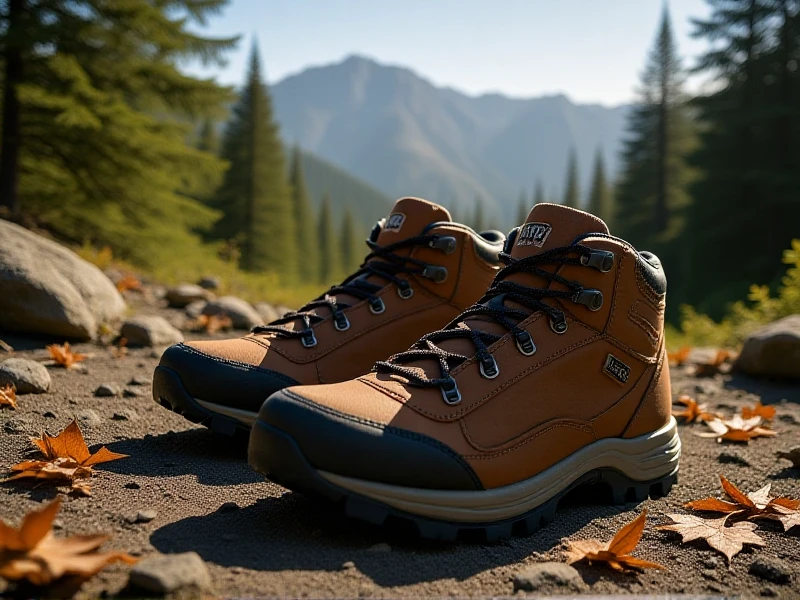
The Ultimate Guide to Choosing the Perfect Hiking Boots for Your Adventures
If you're passionate about exploring the great outdoors, a pair of reliable hiking boots isn't just gear—it's your essential companion for comfort and safety. Whether you're tackling rugged mountain trails or enjoying a casual walk in the woods, finding the right boots ensures your feet stay happy. In this guide, we'll break down key factors to help you select the ideal hiking boots without overwhelming jargon, drawing from years of real-world testing and expert advice.
First, understand the different types of hiking boots to match your adventure level. Lightweight options are perfect for day hikes with gentle terrain, offering flexibility and breathability for easy movement. Mid-weight boots, like classic waterproof models, provide extra ankle support and durability for varied trails, such as those in rainy regions. For demanding trekking, consider heavy-duty boots designed with sturdy soles and reinforced construction to handle rocks and unstable paths. Remember, the best hiking boots should feel snug but not tight during a trial walk, allowing natural toe splay without blisters—always test them in-store or read reviews for insights on break-in periods.
Comfort and fit are critical when choosing hiking boots. Always try them on with hiking socks similar to what you'll wear outdoors. Look for features like cushioned insoles, moisture-wicking liners, and ample arch support to prevent fatigue on long journeys. Another top tip is to prioritize waterproofing if you hike in wet climates; brands like Merrell and Salomon excel in Gore-Tex technology that keeps feet dry without compromising breathability. As one hiker shared, "After swapping to proper hiking boots, my knees stopped aching, making steep ascents more enjoyable." Additionally, check for adequate traction—outsoles with deep lugs grip dirt and mud effectively, reducing slips and falls.
Maintenance plays a big role in extending the life of your hiking boots. Clean them after each outing to remove debris. Apply conditioner regularly to prevent leather from cracking, and air dry them away from direct heat. Even the best hiking boots last longer when stored properly. Investing in quality pairs pays off; they protect against injuries like sprains while increasing endurance for multi-day trips. For newbies, opt for budget-friendly options under $150 to start, aiming to upgrade as your skills grow. Ultimately, great hiking boots transform your adventures—sturdy, trusted footwear lets you focus on the views, not your feet.
At the end of the day, prioritize what feels right for your style and terrain. Test various models, consult fellow hikers, and hit the trails with confidence. Your next escape will thank you! ( 402)